
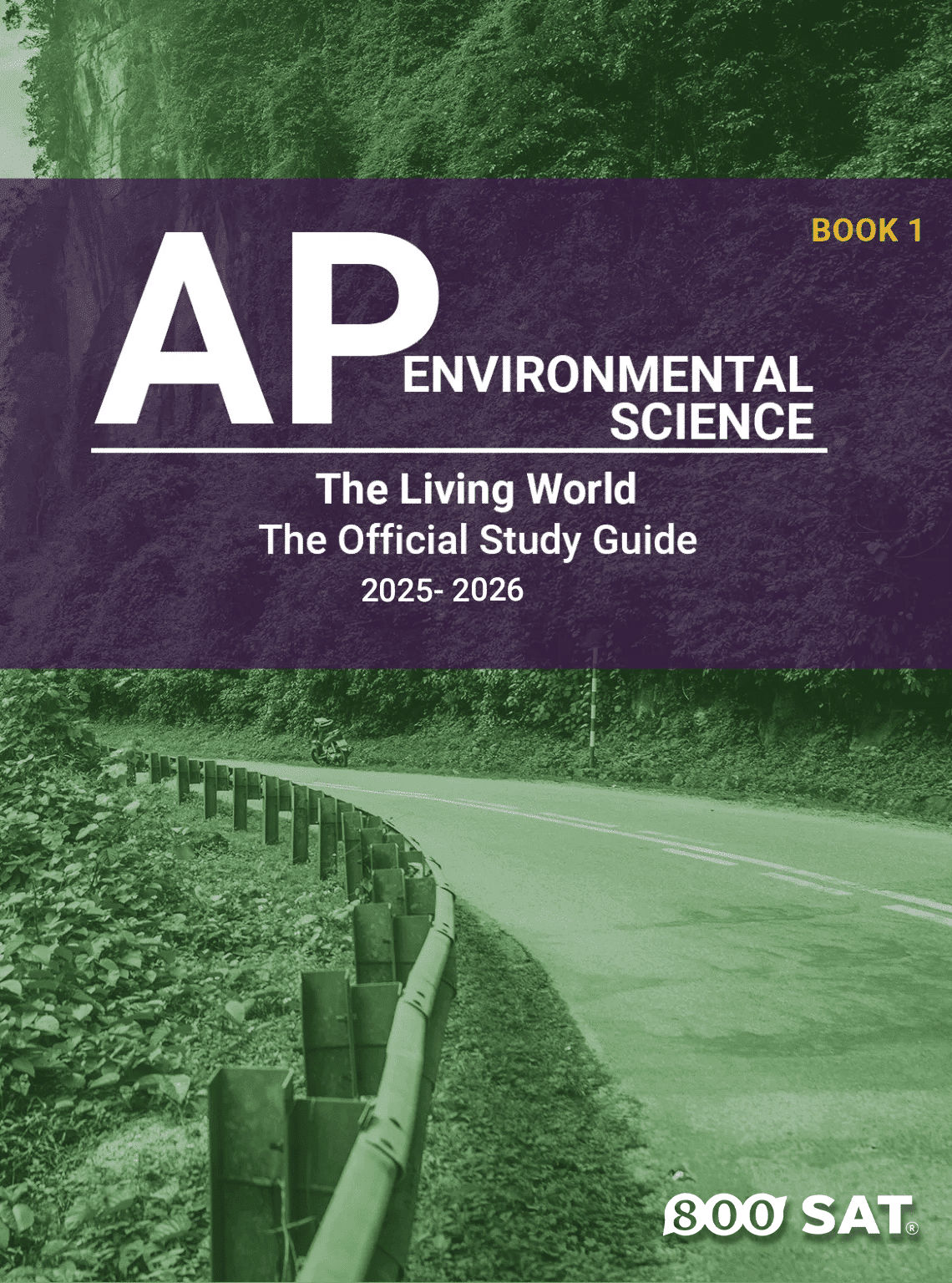
AP Environmental Science Book 1: The Living World provides a clear introduction to the foundations of environmental science. It focuses on ecosystems, biodiversity, and interactions between living organisms and their environment. The book supports effective preparation for the AP Environmental Science exam and connects concepts to real-world environmental issues.
Students learn how energy flows through ecosystems using food chains and food webs. The book explains key nutrient cycles, including the carbon and nitrogen cycles, and shows how these cycles maintain ecosystem balance.
The book also explores biodiversity at the genetic, species, and ecosystem levels. It explains why biodiversity matters and examines major threats such as habitat loss, invasive species, and pollution. Conservation strategies help students understand how ecosystems can be protected.
Population ecology forms another core focus. Students study population growth, limiting factors, resource use, and species interactions such as competition, predation, and symbiosis. These topics explain how ecosystems maintain stability.
The book covers major biogeochemical cycles and introduces ecosystem services, including clean water, climate regulation, and agricultural support. These concepts highlight the connection between natural systems and human well-being.
To support learning, the book includes 16 quizzes that reinforce key concepts and build exam confidence. Clear explanations and real-world examples help students develop a strong foundation for success in AP Environmental Science.
Course Features
- Lectures 10
- Quizzes 3
- Duration 52 weeks
- Skill level All levels
- Language English
- Students 363
- Assessments Yes
- 3 Sections
- 10 Lessons
- 52 Weeks
- Unit 1: The Living World: Ecosystems5
- Unit 2: The Living World: Biodiversity4
- Unit 3: Population4